COP28: What is a quality threshold for carbon credits and should you have one?A quality threshold is the guidelines set by a company for when, what, and how to use carbon credits. But of the 2000 biggest listed companies with a net zero target, just 13% had a threshold.
Maria Lacalle MulsInternational Account Executive, Logistics

Leveraging Carbon Insets To Accelerate Low-Emission Transportation SolutionsA new piece of guidance for the Voluntary Market! The Smart Freight Centre recently updated its Carbon Insetting Framework, linked to Logistic Emission Accounting and Reporting. In this blog, we break down its implications for the logistics industry and announce our new insets partnership.
How to build a carbon offsetting portfolio with real impactBuilding a portfolio of carbon credits from multiple different projects is a great way to reduce the risk of your offsetting, whilst balancing cost and impact. Here’s how to build a carbon offsetting portfolio for maximum impact.
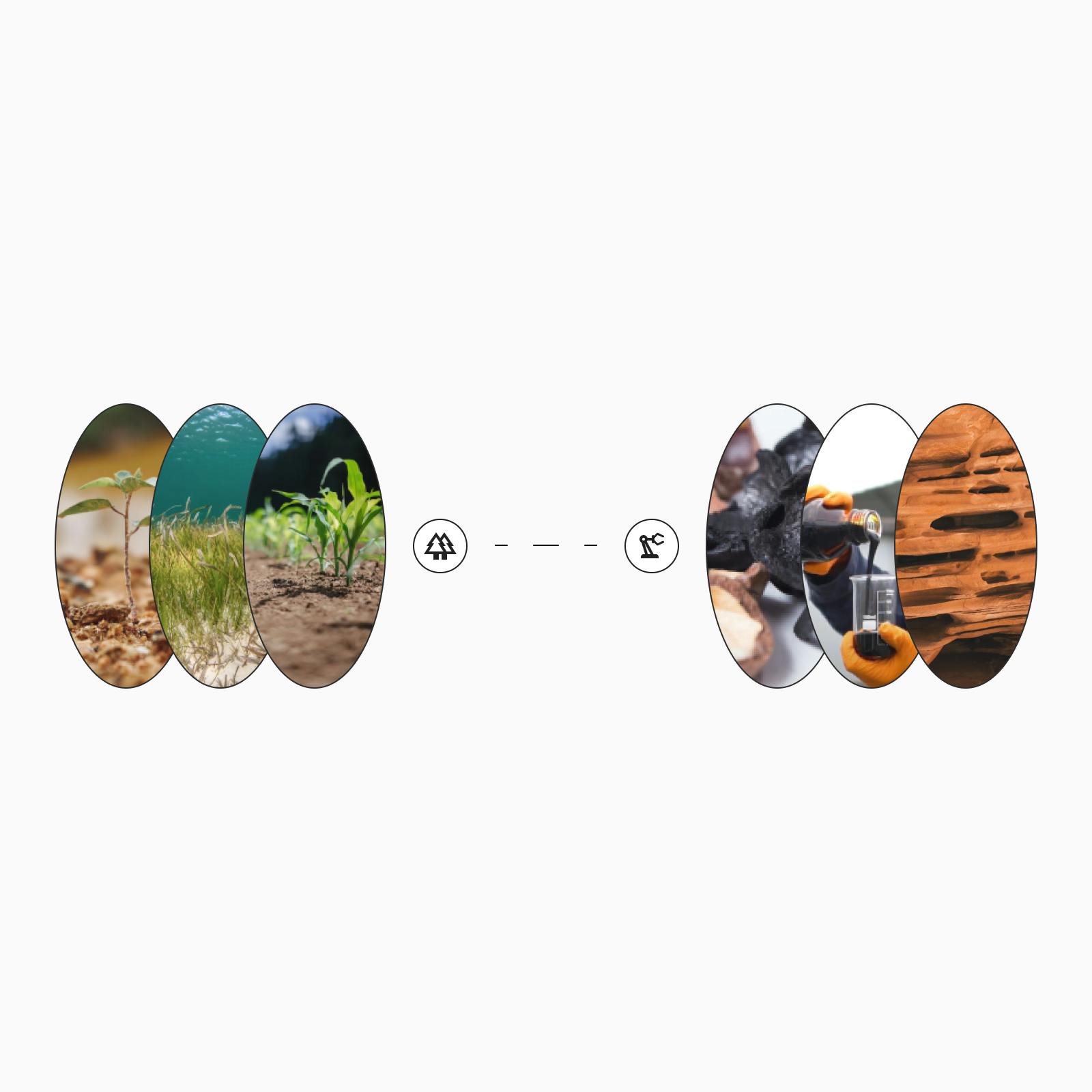
A guide to buying carbon removals as a businessShould businesses be buying carbon removals today? And if so, which carbon removals projects should they buy from? Is it best to finance nature-based or engineered carbon removals projects? Let’s find out.
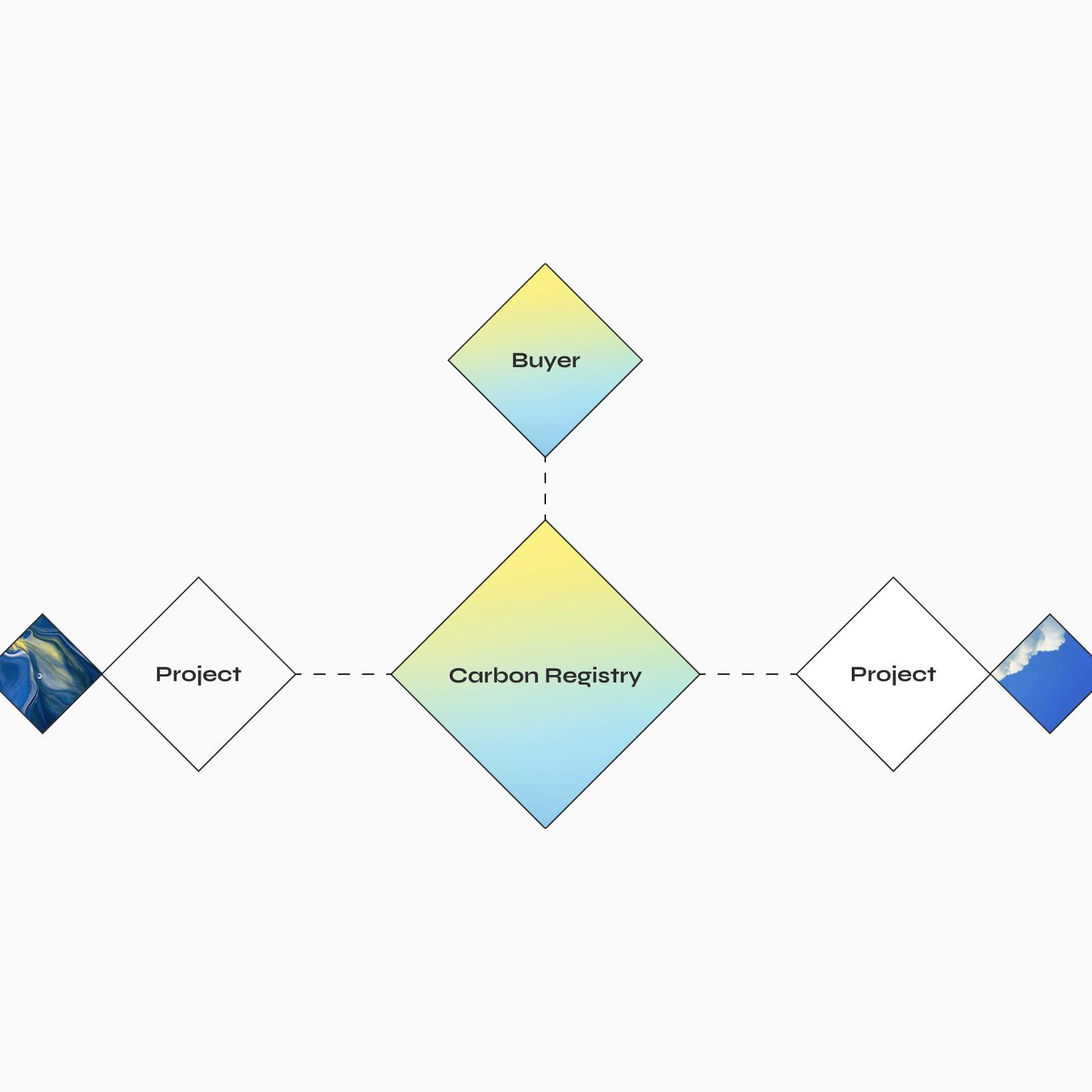
What’s the role of a carbon registry in the voluntary carbon market? Carbon registries are vital to ensure that all purchases of carbon credits are correctly accounted for. How do they work? And who manages them?
What’s the role of carbon standards in the voluntary carbon market?From Verra to Gold Standard to the Woodland Carbon Code – what is a carbon standard? And what is their role in the voluntary carbon market?
What does it mean to retire a carbon credit? An overview of the lifecycle of carbon creditsWhat is carbon credit retirement? And what happens when a carbon credit is retired? Find out in this overview of the lifecycle of a carbon credit.
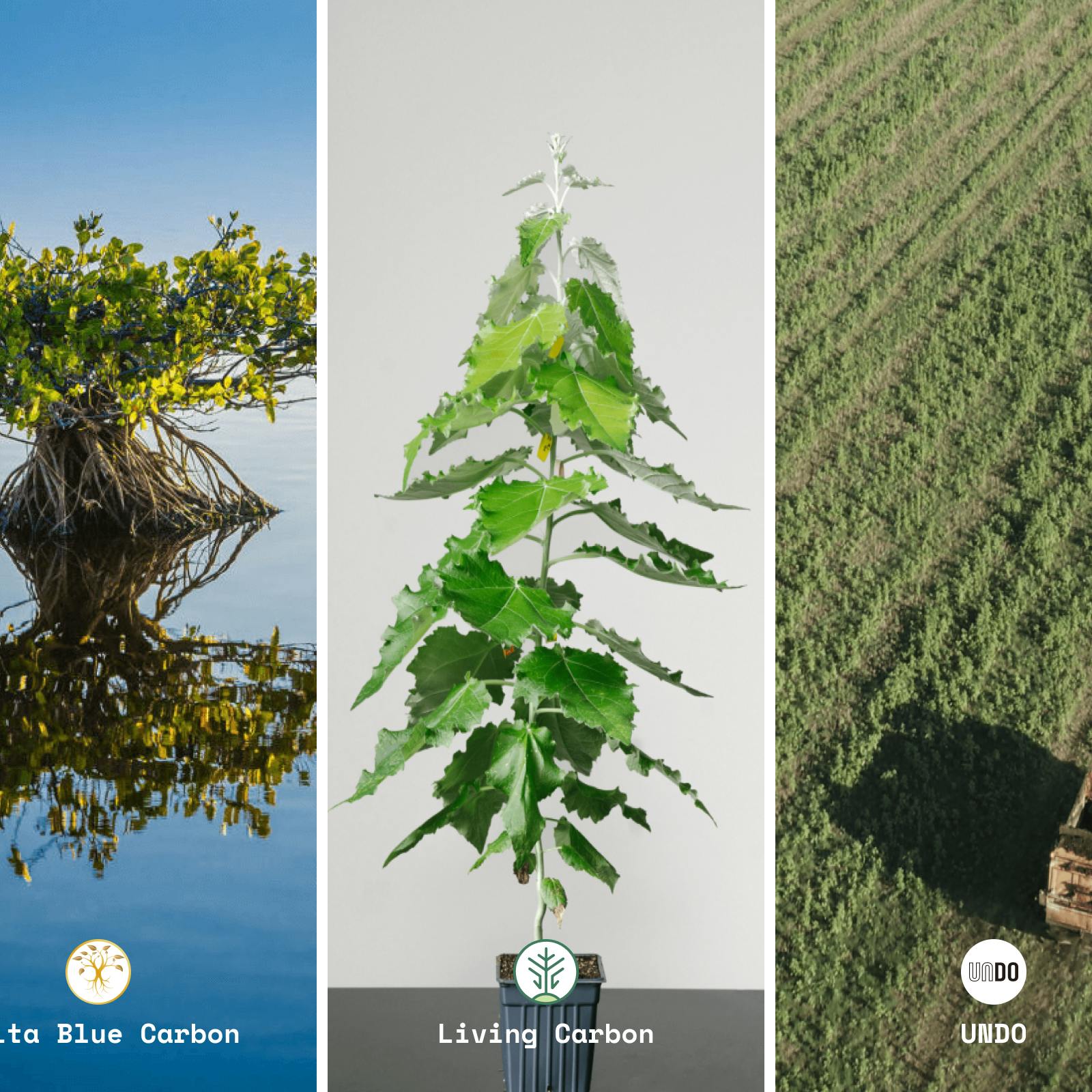
The plant that can absorb and store 4x more carbon than trees – a deep dive on mangrovesMangroves are nature’s powerhouse. They absorb and store 4x more carbon than trees. They protect coastal communities from flooding. They provide homes to rare and endangered wildlife. But they’re also facing sharp global decline. Mangrove carbon projects are vital to protect and restore the world’s mangrove forests.
What’s the difference between ex-post, ex-ante, and pre-purchase carbon credits?Ex-post vs ex-ante vs pre-purchase carbon credits – what's the difference? And should businesses prioritise one over the other when buying carbon credits?
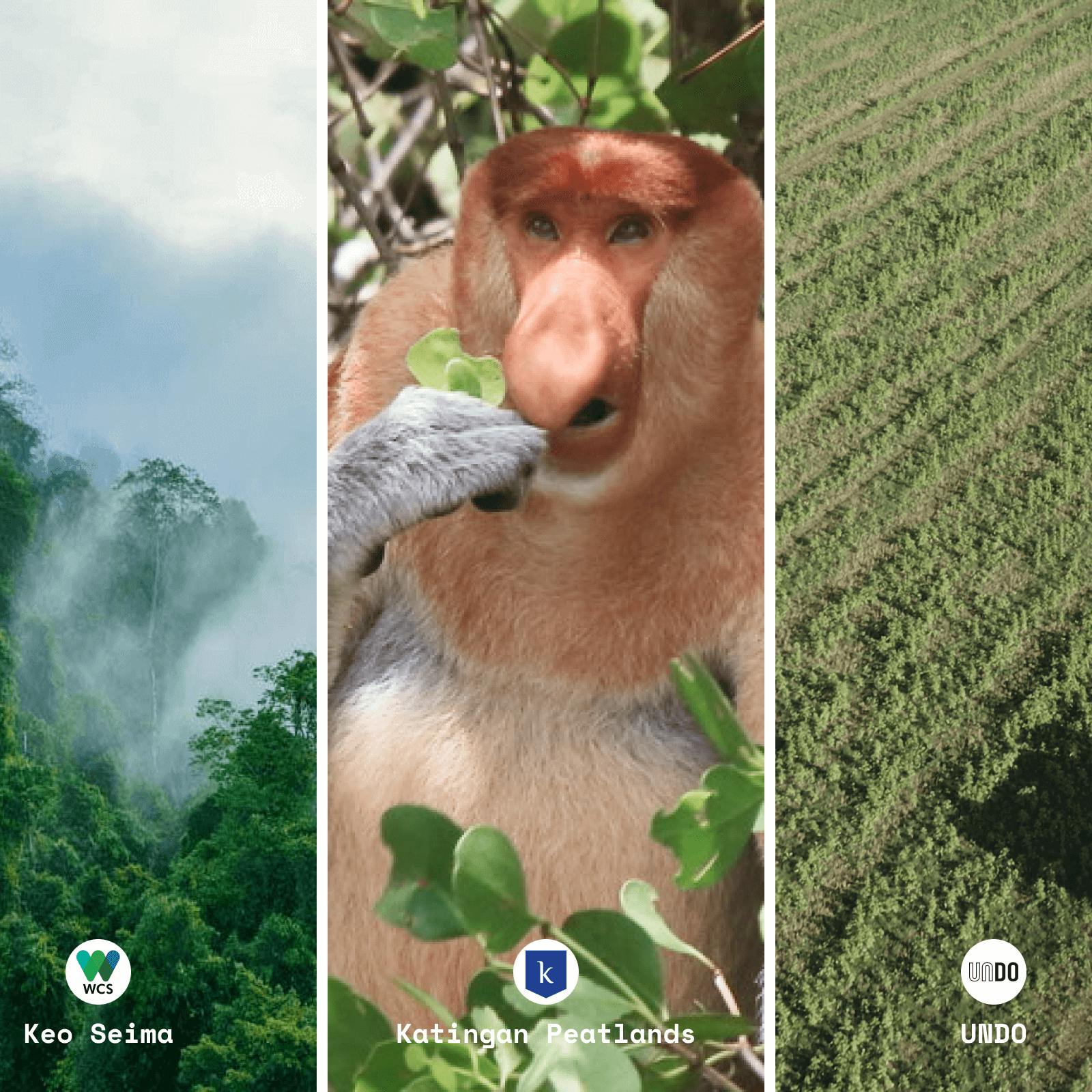
Protecting peatlands, improving data for forestry monitoring, and other updates from Lune’s carbon projectsSharing the latest updates for April 2023 from the Lune library of high-quality carbon offset projects – the projects working at the forefront of climate solutions.
Improving the integrity of the voluntary carbon market: the ICVCM and the VCMIFor the Voluntary Carbon Market to truly help us move towards global climate targets, we need to improve its integrity. The Core Carbon Principles by the ICVCM and the Claims Code of Practice by the VCMI are two initiatives helping to do this.
It’s time to get serious about corporate environmental claims: an overview of the EU Green Claims Directive Green claims – from carbon neutral to net zero to climate positive and more – are now commonplace in business communications. But, too often they're vague and unsubstantiated. The EU's Green Claims Directive aims to address that. Here's an overview of the new requirements for companies making environmental claims.
Different ways to buy carbon explained: from spot purchases to multi-year agreementsWhen you decide to buy carbon credits to offset your company’s carbon emissions, there are a few different ways you can go about it: spot purchases, forward purchases, multi-year purchases, and investing into a carbon project.
Meet Vestre: the furniture manufacturer buying permanent carbon removal to neutralise residual emissionsVestre is a furniture manufacturer with a serious climate commitment, and they partnered with Lune to neutralise their unavoidable carbon emissions through buying carbon credits from permanent carbon removal projects, whilst continuing to work to reduce emissions across the value chain.
How to suck all that carbon we’ve emitted back out of the atmosphere – a deep dive on Direct Air CaptureWe’ve emitted billions of tonnes of carbon emissions and now (alongside drastically reducing those emissions) we need to get it out of the atmosphere. How do we do that? Well, Direct Air Capture is one solution – here’s everything you need to know about it.
Female leadership in forest conservation, new sites for carbon capture and other updates from Lune’s carbon projectsSharing the latest updates from the Lune library of high-quality carbon offset projects – the projects working at the forefront of climate solutions.
What is double counting in carbon offsetting? And why is it important?Avoiding double counting is a key marker of quality in carbon offset projects – ensuring that carbon credits are never claimed by more than one entity. When do double counting issues arise in carbon projects? And how do high-quality projects approach avoiding double counting? Let’s find out.
5 examples of the real-world impact of (high-quality) carbon offsetsDoes carbon offsetting actually work? It’s not always easy to see the impact of your purchase of carbon credits – here’s 5 examples to bring it to life.
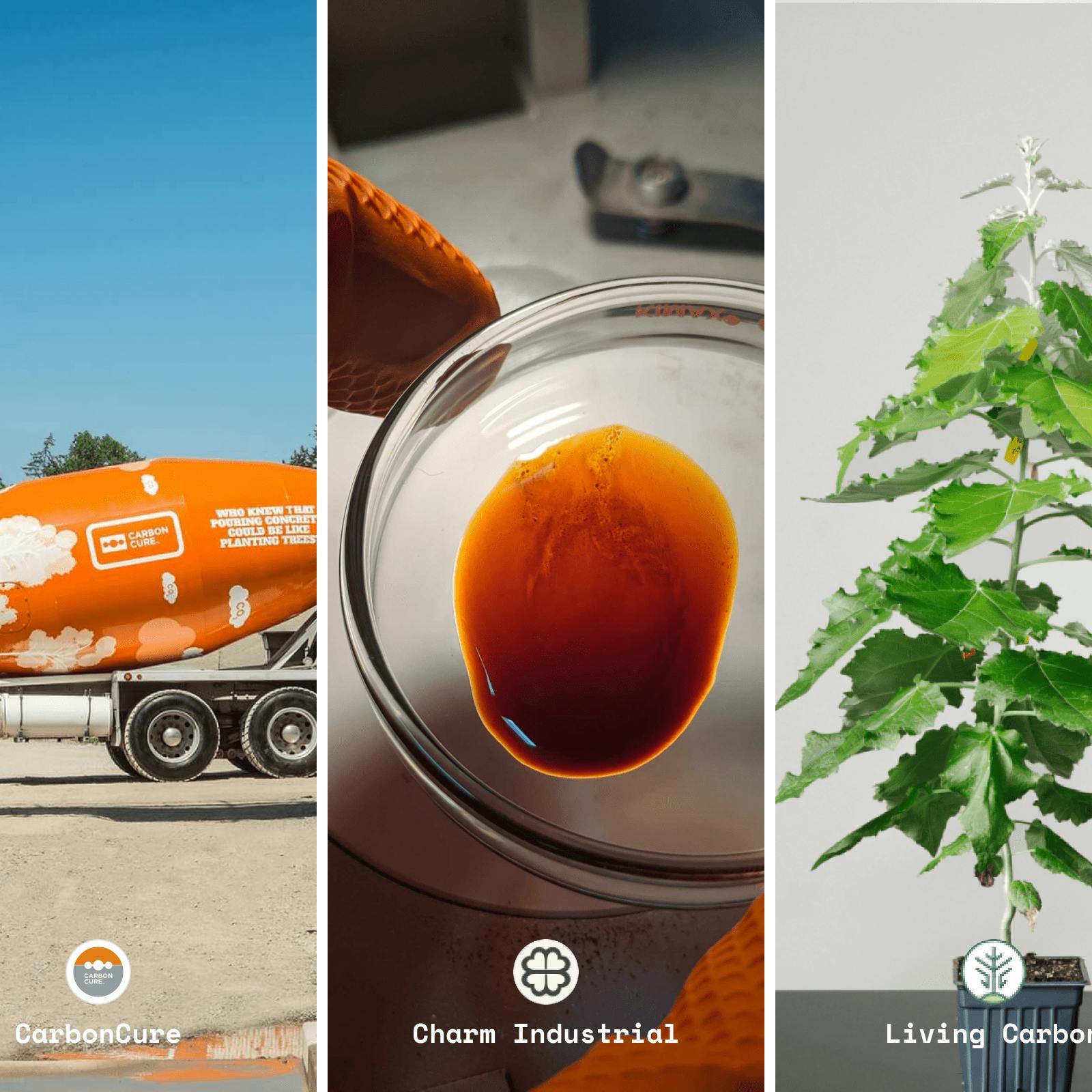
Carbon captured through Direct Air Capture is permanently trapped in concrete for the first time, and other updates from Lune’s carbon projectsSharing the latest updates from the Lune library of high-quality carbon offset projects – the projects working at the forefront of climate solutions
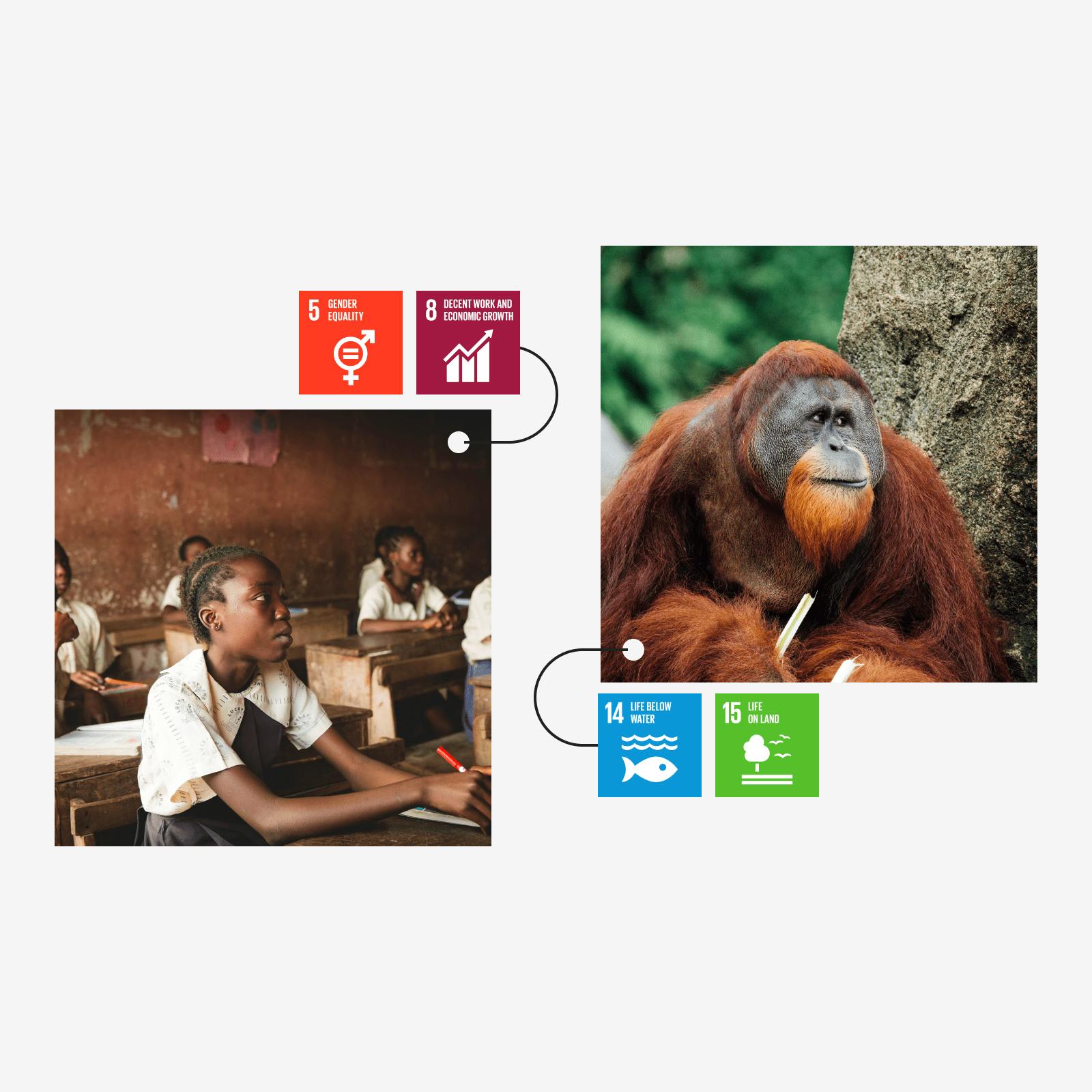
How businesses can contribute to the Sustainable Development Goals through carbon offsettingWhat’s the link between the Sustainable Development Goals and carbon offsets? Well, approached correctly, one way that businesses can meaningfully contribute to the SDGs is through offsetting with high-quality carbon projects.
The State of Carbon Dioxide Removal: we need to scale up carbon removal tech quickly to meet climate targetsA summary of findings by in the newly published report ‘The State of Carbon Dioxide Removal’, led by researchers at the University of Oxford’s Smith School of Enterprise and the Environment
The Voluntary Carbon Market is on the cusp of a major turning point – and it needs the support of business leadersNew report by the World Economic Forum and Bain & Company ‘The Voluntary Carbon Market: Climate Finance at an Inflection Point’ details the challenges facing the VCM in 2023, and how corporate leaders can help to make it work successfully
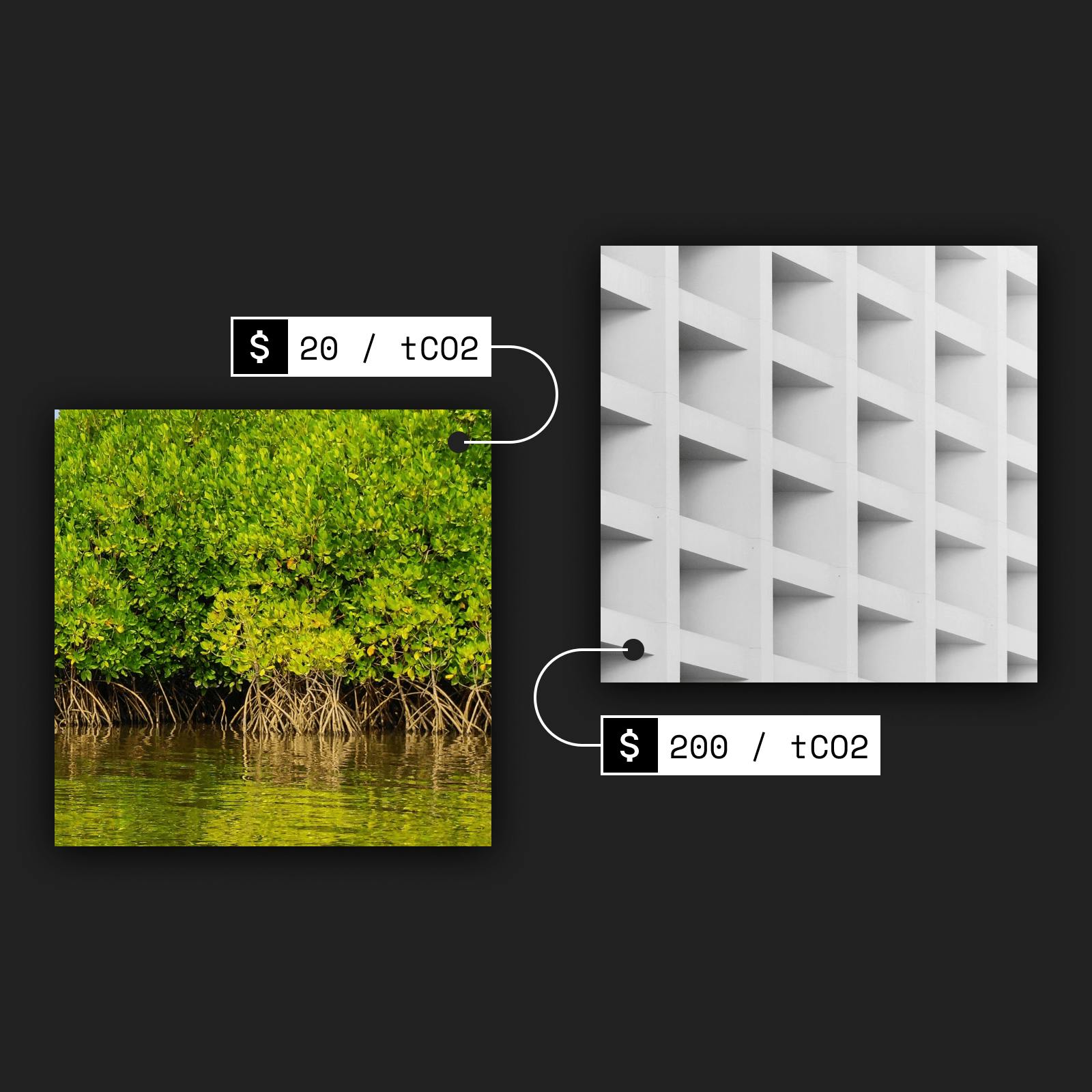
How much do carbon credits cost?What’s the price of a carbon credit? A question we hear often from businesses looking at carbon offsetting their emissions – but it doesn’t always have an easy answer...
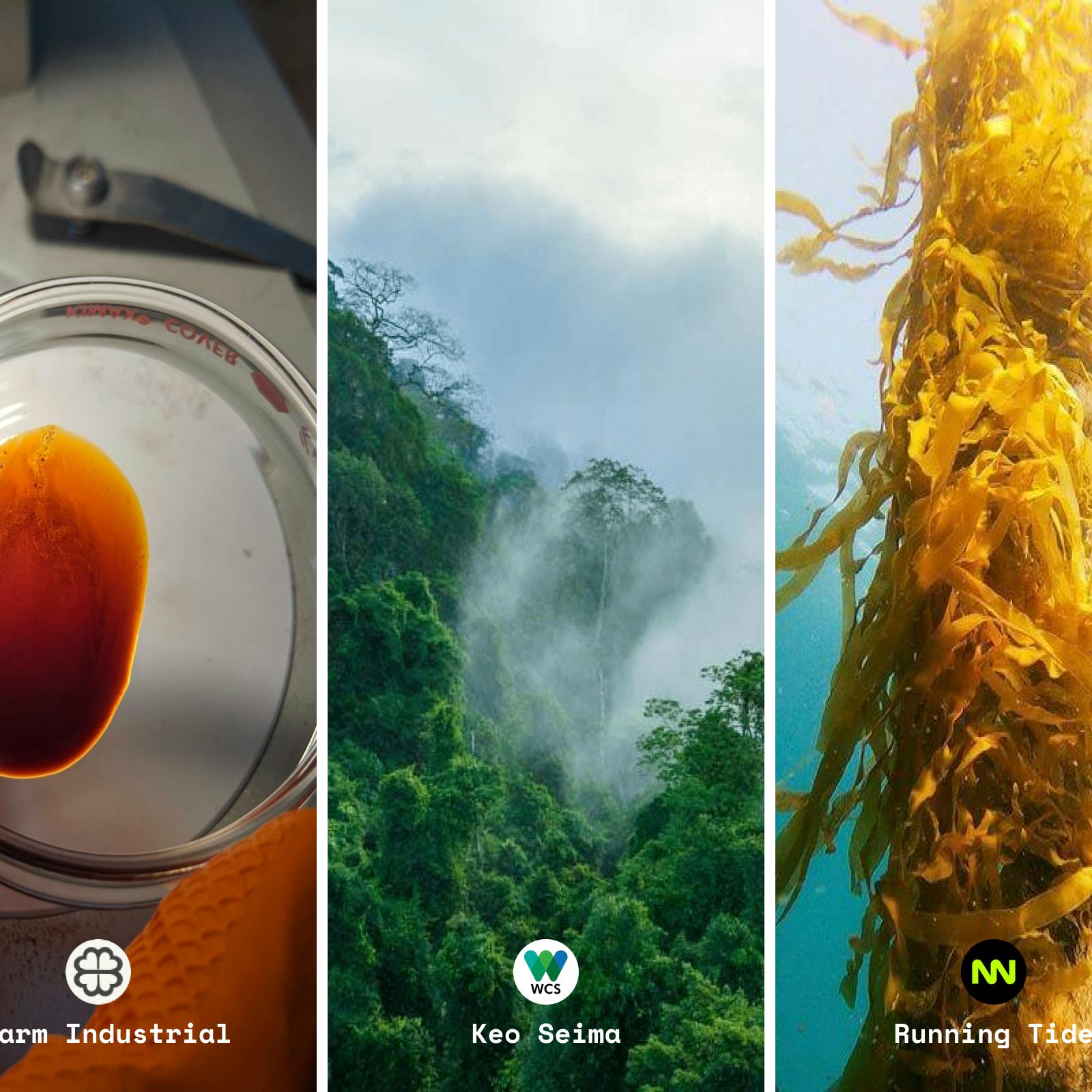
The first verified enhanced weathering methodology, behind-the-scenes in bio-oil, and other updates from Lune’s carbon offset projectsSharing the latest updates from the Lune library of high-quality carbon offset projects – the projects working at the forefront of climate solutions.
Quality over quantity: how we evaluate carbon projects at LuneOur carbon projects are thoughtfully curated for durable, additional, and measurable carbon benefits with robust risk mitigations. But how do we actually go about choosing which projects we offer?